Travel just got smarter with Trunkster, a luggage solution from Shark Tank. It’s a sleek suitcase with tech like tracking and USB charging. It’s made for tech-savvy travelers who want more from their luggage.
Jesse Potash and Gaston Blanchet created Trunkster. It started as a crowdfunding hit, raising $1.4 million. This caught the Sharks’ attention, leading to a memorable pitch.
Trunkster has cool features like a digital scale and GPS tracking. It also has a zipper-less design for easy access. These features aim to make traveling easier, letting you enjoy your journey more.
Key Takeaways
- Trunkster raised over $2.7 million through crowdfunding campaigns
- The product features GPS tracking, USB charging, and a built-in scale
- Founders sought $1.4 million for 5% equity on Shark Tank
- Mark Cuban and Lori Greiner offered a deal with unique terms
- Trunkster aimed to disrupt the traditional luggage market
The Birth of Trunkster: A Revolutionary Luggage Concept
In the world of travel, two visionaries, Jesse Potash and Gaston Blanchet, wanted to change the luggage game. They aimed to make smart luggage that would stand out in a huge market. This market was worth over $30 billion.
Founders’ Vision
Potash and Blanchet dreamed of luggage that was more than just useful. They wanted it to tell a story. They wanted to shake up the luxury luggage world with new features and design.
This dream led to Trunkster, a brand that would change how we pack and travel.
Kickstarter Campaign Success
The Trunkster founders launched a Kickstarter campaign that quickly caught fire. In just one hour, they raised $1.4 million. Over 3,500 backers showed how excited people were for smart luggage.
Key Features of Trunkster
Trunkster’s luggage had features that made it different. It had a unique garage-door style opening instead of zippers. It also had a built-in digital scale, GPS, and a removable battery for charging devices.
These features aimed to solve common travel problems and make packing better.
| Feature | Benefit |
|---|---|
| Zipperless Design | Easy access to belongings |
| Built-in Scale | Avoid overweight baggage fees |
| GPS Tracking | Locate luggage anywhere |
| USB Charging | Power devices on the go |
With these innovative features and strong support, Trunkster aimed to meet over 10,000 orders worldwide. They also planned to sell in major U.S. stores. The future looked bright for Trunkster in the smart luggage market.
Trunkster’s Innovative Design and Technology
Trunkster changed the game with its smart tech and travel innovation. Its sliding front entry is a game-changer, ditching old zippers. This design makes getting in and out easy and keeps your luggage strong.
The Trunkster Carry On is 10.3 pounds and packed with cool features:
- Built-in digital scale
- Power bank with USB charging ports
- App-synced tracking device (15-day battery life)
- Water-resistant hard shell
At $345, Trunkster comes with a five-year warranty. This shows the company’s faith in its product. Reviewers loved its innovative design.
| Feature | Rating (out of 5) |
|---|---|
| Durability | 4.4 |
| Value | 4.5 |
| Style | 4.3 |
| Weight | 4.6 |
| Space | 4.6 |
| Rolling Capabilities | 3.6 |
| Overall Rating | 4.4 |
Trunkster’s smart tech won many fans, but its single main compartment was a drawback. It offered less space than traditional luggage. This shows the tough balance between new ideas and practical needs in travel gear.
The Shark Tank Pitch: Seeking $1.4 Million for 5% Equity
Jesse Potash and Gaston Blanchet walked into the Shark Tank with a big idea. They wanted $1.4 million for just 5% of their luggage company, Trunkster. They believed their company was worth $28 million.
Impressive Pre-Sales and Valuation Claims
The founders had strong numbers to back their claim. They said they had $2 million in pre-orders and expected $9 million in sales next year. They also pointed to their success on Kickstarter and Indiegogo, where they raised over $2.7 million.
Sharks’ Reactions and Negotiations
The Sharks were interested but unsure about the high valuation. They asked tough questions about the company’s money and when they could get their products.
Final Deal with Mark Cuban and Lori Greiner
After a lot of talking, Mark Cuban and Lori Greiner made a deal. They gave Trunkster $1.4 million for 5% each. But there were special conditions:
- A 24-month payback guarantee
- $1 per unit sold in perpetuity
- Option to double their equity if not repaid within 24 months
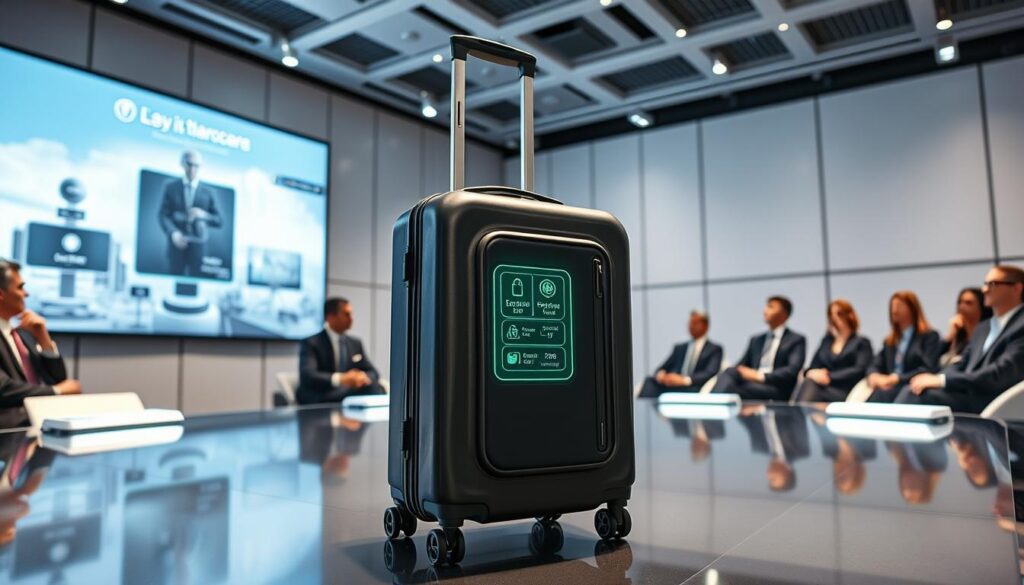
| Aspect | Details |
|---|---|
| Investment Sought | $1.4 million for 5% equity |
| Company Valuation | $28 million |
| Pre-Sales | $2 million |
| Projected Sales | $9 million (next year) |
| Final Deal | $1.4 million for 10% equity + royalties |
Trunkster Shark Tank: The Aftermath and Deal Outcome
The Trunkster Shark Tank deal took an unexpected turn after the show. Mark Cuban and Lori Greiner agreed to give $1.4 million for 5% equity and 5% royalties. But, the deal never happened. Several issues came up during the business due diligence that led to the deal’s collapse.
Trunkster faced startup challenges that investors found out about. Problems with the product’s scale and GPS were major issues. Also, manufacturing delays and unfulfilled orders added to the problems. The founders had trouble working with investors, making things worse.
Trunkster’s story shows how crucial due diligence is in Shark Tank deals. The excitement from the show fades when it’s time for negotiations and product development. Trunkster couldn’t solve its production problems and failed to meet promises, leading to its downfall by 2017.
| Aspect | Trunkster Outcome |
|---|---|
| Initial Shark Tank Deal | $1.4 million for 5% equity + 5% royalties |
| Deal Status | Fell through during due diligence |
| Main Issues | Product flaws, manufacturing delays |
| Company Status (2017) | Ceased operations |
The Trunkster story is a lesson for entrepreneurs looking for Shark Tank deals. It shows the importance of solid product development and realistic business planning to face startup challenges.
Product Features and Specifications
Trunkster’s smart suitcase changed the game in travel tech. It was a carry-on approved bag, measuring 22″ x 14″ x 9″ and weighing 10.3 pounds. This made it perfect for most airlines.
Zipper-less Design and Sliding Front Entry
Trunkster’s unique feature was its zipper-less design. The sliding front entry worked like a garage door. It made getting to your stuff easy and kept things secure.
Built-in Digital Scale and GPS Tracking
Trunkster added smart features to make travel easier. It had a built-in digital scale for quick weight checks, avoiding extra fees. The GPS tracking helped find lost luggage, giving travelers peace of mind.
Removable Battery with USB Charging
The removable battery with USB ports was a big deal for tech lovers. It let users charge their devices on the move. This kept them connected during their trips.
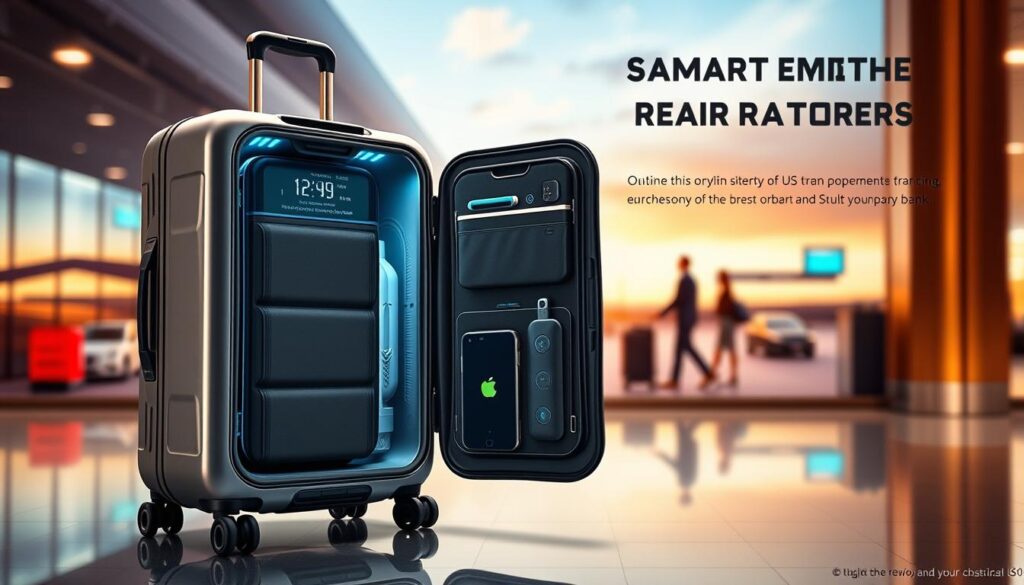
| Feature | Description |
|---|---|
| Design | Zipper-less with sliding front entry |
| Weight | 10.3 pounds |
| Dimensions | 22″ x 14″ x 9″ |
| Color | Black |
| Price | $345 |
| Smart Features | Digital scale, GPS tracking, USB charging |
Consumer Reception and Reviews
Trunkster reviews showed mixed feelings about this new luggage. At first, many liked its sleek look and smart features. The charging bank and smooth wheels were big hits.
But, as more people used it, talk turned to how it performed. Some loved the zipper-less design and built-in scale. Yet, others had trouble with the sliding door needing just the right packing.
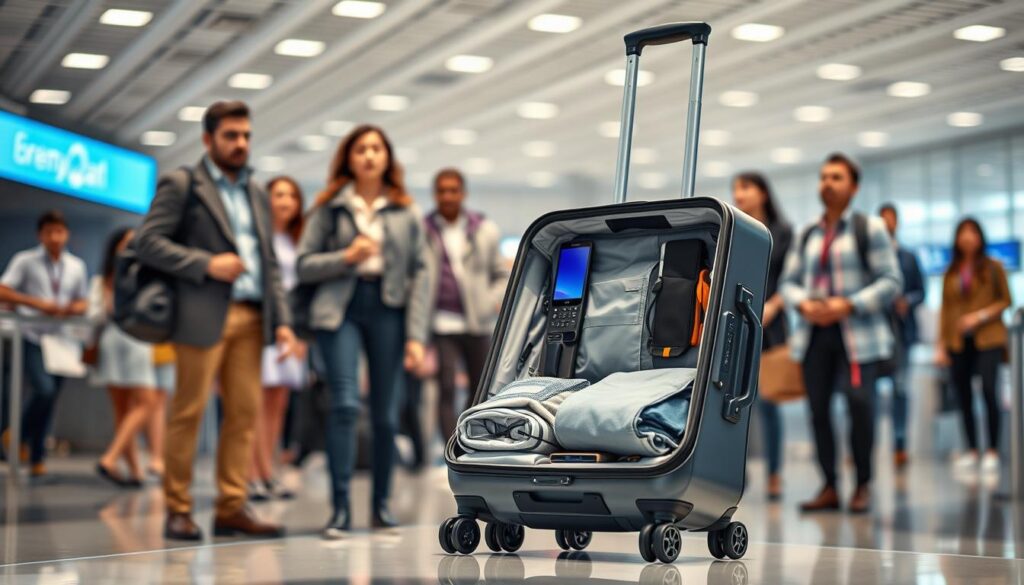
The weight and handle length of Trunkster caused a lot of debate. Some thought it was sturdy, but others found it too heavy. The handle was too short for taller users, making long trips uncomfortable.
“The charging feature is a game-changer, but the weight makes it challenging for international travel.”
Many Trunkster reviews mentioned space issues. The design was cool, but it packed less than regular suitcases. This was a big problem for those who packed a lot.
| Feature | Positive Feedback | Negative Feedback |
|---|---|---|
| Zipper-less Design | Easy access | Requires precise packing |
| Built-in Scale | Convenient for weight checks | Occasionally inaccurate |
| USB Charging | Useful for devices | Adds to overall weight |
| Wheels | Smooth rolling | Durability concerns |
Manufacturing Challenges and Delivery Delays
Trunkster’s journey from Kickstarter success to product delivery was filled with obstacles. The company faced big manufacturing delays and quality issues. These challenges are common among Shark Tank alumni.
Production Issues and Quality Concerns
Trunkster, like many startups, had trouble meeting production deadlines. Their innovative design, with no zipper and a built-in scale, was hard to make in large quantities. This caused long delays in manufacturing, making delivery dates much later than expected.
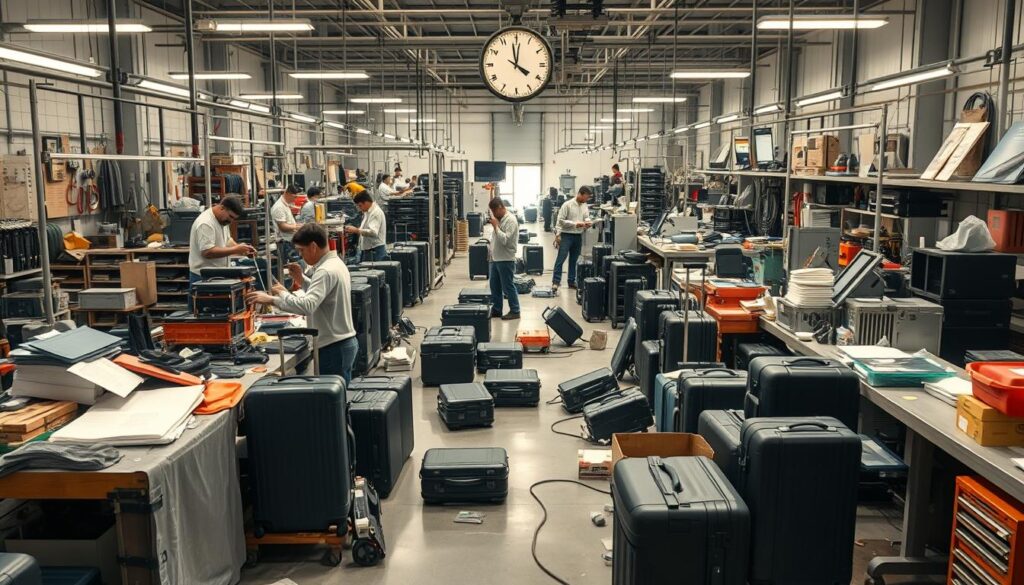
Quality became a big worry as Trunkster tried to meet orders quickly. Customers found issues with their luggage, like scales not working right. They also had problems with the sliding front entry.
Customer Complaints and Unfulfilled Orders
As delays kept going, customers got more upset. Backers from 2014 were still waiting for their luggage in 2017. This led to many complaints and requests for refunds on Trunkster’s crowdfunding page.
- 19-month delay from initial purchase to delivery
- Numerous quality issues reported by customers
- Refund requests overwhelmed customer service
Trunkster’s struggles show how key strong manufacturing and clear customer service are. Despite its cool features and initial excitement, Trunkster couldn’t keep its promises. This led to its downfall.
The Downfall of Trunkster: What Went Wrong?
Trunkster started with big dreams but ended in a big failure. It raised $2.7 million and got a deal on Shark Tank. But, things quickly went wrong.
The company wanted to be worth $28 million, which made the Sharks skeptical. Robert Herjavec thought it was more like $8 million. This showed the company might have been too optimistic.
Trunkster had big problems with making products. Orders were late, and the quality was bad. Many customers never got their luggage, which hurt the brand’s image.
The company didn’t give refunds to those who didn’t get their orders. This made things even worse.
| Factor | Impact on Trunkster |
|---|---|
| Overvaluation | Unrealistic expectations, skepticism from investors |
| Manufacturing Issues | Delayed deliveries, poor product quality |
| Customer Trust | Erosion due to unfulfilled orders and lack of refunds |
| Market Competition | Struggled against established brands with similar features |
Trunkster’s prices were too high. The luggage cost $495 for a carry-on and $535 for a check-in. It was too pricey for some and not luxurious enough for others.
This made it hard for Trunkster to find its place in the market. Its story teaches us about the dangers of overvaluing a business, making mistakes in production, and losing customer trust.
Competitors in the Smart Luggage Market
The travel gear industry saw a big jump in smart luggage brands. Tech-savvy travelers wanted more from their bags. Trunkster entered a market full of innovation and tough competition.
Established Brands vs. Trunkster
Traditional luggage makers quickly jumped on the smart luggage trend. They used their big manufacturing networks to launch tech-enabled products fast and often cheaper. This made it hard for newcomers like Trunkster to explain their higher prices.
Price Point and Feature Comparison
Trunkster’s $395 price put it in the high-end market. Other smart luggage brands had similar features but at different prices:
| Brand | Price | Key Features | Crowdfunding |
|---|---|---|---|
| Trunkster | $395 | Zipper-less design, GPS tracking, digital scale | $1.5 million |
| Bluesmart | $449 | GPS tracking, digital scale, remote locking | $2.2 million |
| Raden | $295 | Built-in scale, location awareness, charging | $3.5 million seed |
The competition got fiercer as people compared features to price. Big brands could offer similar tech at lower prices. This made it tough for startups like Trunkster in the smart luggage market.
Where Are They Now: Trunkster Founders’ Current Ventures
The Trunkster story is a rollercoaster ride in the world of startup founders. After appearing on Shark Tank and getting a $1.4 million deal for 5% equity, the company faced many challenges. Despite early success, including a $1.4 million Kickstarter campaign, Trunkster eventually closed down, leaving many customers upset.
After Trunkster’s failure, the two founders went in different directions. Jesse Potash has kept a low profile since then. He has no online presence and is not involved in any new business ventures.
Gaston Blanchet, however, started a new company. He co-founded Storypod, an educational audio system for kids. This move shows how entrepreneurs can adapt to new challenges.
Blanchet’s new company is doing well. Storypod raised over $240,000 on Kickstarter, similar to Trunkster’s success. As the Chief Marketing Officer, Blanchet used his past experiences to help Storypod. The product has a 4.8-star rating from over a thousand reviews.
The paths of these startup founders show how unpredictable entrepreneurship can be. One stepped back, while the other moved into a new field. Both learned valuable lessons from their Trunkster days.
Conclusion: Lessons Learned from the Trunkster Story
The Trunkster story on Shark Tank is full of valuable lessons for startups. Jesse Potash and Gaston Blanchet pitched their smart luggage idea on December 4, 2015. They got a huge $1.4 million investment from Mark Cuban and Lori Greiner for 37% equity. This deal was a dream come true for any entrepreneur.
But, Trunkster’s journey took a surprising turn. It showed the tough side of starting a business. Despite cool features like zipperless entry and GPS, they hit many roadblocks. They faced delays, quality issues, and high costs, showing how hard it is to launch a product.
The Trunkster story teaches us about being tough, open, and customer-focused. It’s a warning for entrepreneurs to be realistic. Mark Cuban called Shark Tank the “new-age Lemonade Stand.” Trunkster’s story shows both the bright and dark sides of chasing the American Dream through innovation and hard work.
FAQ
What was Trunkster?
Who founded Trunkster and how did it start?
FAQ
What was Trunkster?
Trunkster was a smart luggage idea seen on Shark Tank. It was a 22-inch suitcase with a tracking device, USB charging, and a digital scale. It was made for young professionals who love to travel.
Who founded Trunkster and how did it start?
Jesse Potash from New York and Gaston Blanchet from Argentina started Trunkster. They wanted to change the luxury luggage market with a new product. They raised over
FAQ
What was Trunkster?
Trunkster was a smart luggage idea seen on Shark Tank. It was a 22-inch suitcase with a tracking device, USB charging, and a digital scale. It was made for young professionals who love to travel.
Who founded Trunkster and how did it start?
Jesse Potash from New York and Gaston Blanchet from Argentina started Trunkster. They wanted to change the luxury luggage market with a new product. They raised over $1.4 million on Kickstarter from 3,500 backers.
What were the key features of the Trunkster smart luggage?
The Trunkster had a unique opening, a hardshell design, and built-in tracking. It also had a digital scale and could charge devices. It had a sliding front, GPS, and removable battery with USB ports.
What deal did Trunkster make on Shark Tank?
Jesse and Gaston pitched Trunkster on Shark Tank, asking for $1.4 million for 5% equity. They made a deal with Mark Cuban and Lori Greiner for the same amount, but with conditions.
Why did the Shark Tank deal with Mark Cuban and Lori Greiner fall through?
Problems with the scale and GPS were found during due diligence. The investors had trouble working with the founders. Delays and unfulfilled orders also played a part in the deal’s failure.
What were some of the common complaints about the Trunkster product?
People said the quality was bad and it didn’t perform well. They didn’t like the small packing space and the need for perfect packing. The handle was too short and it was too heavy.
What factors contributed to Trunkster’s downfall?
Trunkster had big manufacturing problems and delivery delays. This lost customer trust. It was too pricey for some and didn’t meet luxury standards. Other smart luggage brands also competed.
How did Trunkster’s competition compare in the smart luggage market?
Away and Raden were also in the market with similar features. Big brands had an advantage because they could make and sell smart luggage faster and cheaper.
What are the founders of Trunkster doing now?
Jesse Potash is not very active after Trunkster failed. Gaston Blanchet started Storypod, an audio system for kids. It raised over $240,000 on Kickstarter.
What lessons can be learned from the Trunkster story?
Trunkster shows the value of realistic prices and the hard work of making a product. It warns about the dangers of too much promise in crowdfunding. It teaches the importance of quality and meeting customer needs in a competitive market.
.4 million on Kickstarter from 3,500 backers.
What were the key features of the Trunkster smart luggage?
The Trunkster had a unique opening, a hardshell design, and built-in tracking. It also had a digital scale and could charge devices. It had a sliding front, GPS, and removable battery with USB ports.
What deal did Trunkster make on Shark Tank?
Jesse and Gaston pitched Trunkster on Shark Tank, asking for
FAQ
What was Trunkster?
Trunkster was a smart luggage idea seen on Shark Tank. It was a 22-inch suitcase with a tracking device, USB charging, and a digital scale. It was made for young professionals who love to travel.
Who founded Trunkster and how did it start?
Jesse Potash from New York and Gaston Blanchet from Argentina started Trunkster. They wanted to change the luxury luggage market with a new product. They raised over $1.4 million on Kickstarter from 3,500 backers.
What were the key features of the Trunkster smart luggage?
The Trunkster had a unique opening, a hardshell design, and built-in tracking. It also had a digital scale and could charge devices. It had a sliding front, GPS, and removable battery with USB ports.
What deal did Trunkster make on Shark Tank?
Jesse and Gaston pitched Trunkster on Shark Tank, asking for $1.4 million for 5% equity. They made a deal with Mark Cuban and Lori Greiner for the same amount, but with conditions.
Why did the Shark Tank deal with Mark Cuban and Lori Greiner fall through?
Problems with the scale and GPS were found during due diligence. The investors had trouble working with the founders. Delays and unfulfilled orders also played a part in the deal’s failure.
What were some of the common complaints about the Trunkster product?
People said the quality was bad and it didn’t perform well. They didn’t like the small packing space and the need for perfect packing. The handle was too short and it was too heavy.
What factors contributed to Trunkster’s downfall?
Trunkster had big manufacturing problems and delivery delays. This lost customer trust. It was too pricey for some and didn’t meet luxury standards. Other smart luggage brands also competed.
How did Trunkster’s competition compare in the smart luggage market?
Away and Raden were also in the market with similar features. Big brands had an advantage because they could make and sell smart luggage faster and cheaper.
What are the founders of Trunkster doing now?
Jesse Potash is not very active after Trunkster failed. Gaston Blanchet started Storypod, an audio system for kids. It raised over $240,000 on Kickstarter.
What lessons can be learned from the Trunkster story?
Trunkster shows the value of realistic prices and the hard work of making a product. It warns about the dangers of too much promise in crowdfunding. It teaches the importance of quality and meeting customer needs in a competitive market.
.4 million for 5% equity. They made a deal with Mark Cuban and Lori Greiner for the same amount, but with conditions.
Why did the Shark Tank deal with Mark Cuban and Lori Greiner fall through?
Problems with the scale and GPS were found during due diligence. The investors had trouble working with the founders. Delays and unfulfilled orders also played a part in the deal’s failure.
What were some of the common complaints about the Trunkster product?
People said the quality was bad and it didn’t perform well. They didn’t like the small packing space and the need for perfect packing. The handle was too short and it was too heavy.
What factors contributed to Trunkster’s downfall?
Trunkster had big manufacturing problems and delivery delays. This lost customer trust. It was too pricey for some and didn’t meet luxury standards. Other smart luggage brands also competed.
How did Trunkster’s competition compare in the smart luggage market?
Away and Raden were also in the market with similar features. Big brands had an advantage because they could make and sell smart luggage faster and cheaper.
What are the founders of Trunkster doing now?
Jesse Potash is not very active after Trunkster failed. Gaston Blanchet started Storypod, an audio system for kids. It raised over 0,000 on Kickstarter.
What lessons can be learned from the Trunkster story?
Trunkster shows the value of realistic prices and the hard work of making a product. It warns about the dangers of too much promise in crowdfunding. It teaches the importance of quality and meeting customer needs in a competitive market.
FAQ
What was Trunkster?
Trunkster was a smart luggage idea seen on Shark Tank. It was a 22-inch suitcase with a tracking device, USB charging, and a digital scale. It was made for young professionals who love to travel.
Who founded Trunkster and how did it start?
Jesse Potash from New York and Gaston Blanchet from Argentina started Trunkster. They wanted to change the luxury luggage market with a new product. They raised over
FAQ
What was Trunkster?
Trunkster was a smart luggage idea seen on Shark Tank. It was a 22-inch suitcase with a tracking device, USB charging, and a digital scale. It was made for young professionals who love to travel.
Who founded Trunkster and how did it start?
Jesse Potash from New York and Gaston Blanchet from Argentina started Trunkster. They wanted to change the luxury luggage market with a new product. They raised over $1.4 million on Kickstarter from 3,500 backers.
What were the key features of the Trunkster smart luggage?
The Trunkster had a unique opening, a hardshell design, and built-in tracking. It also had a digital scale and could charge devices. It had a sliding front, GPS, and removable battery with USB ports.
What deal did Trunkster make on Shark Tank?
Jesse and Gaston pitched Trunkster on Shark Tank, asking for $1.4 million for 5% equity. They made a deal with Mark Cuban and Lori Greiner for the same amount, but with conditions.
Why did the Shark Tank deal with Mark Cuban and Lori Greiner fall through?
Problems with the scale and GPS were found during due diligence. The investors had trouble working with the founders. Delays and unfulfilled orders also played a part in the deal’s failure.
What were some of the common complaints about the Trunkster product?
People said the quality was bad and it didn’t perform well. They didn’t like the small packing space and the need for perfect packing. The handle was too short and it was too heavy.
What factors contributed to Trunkster’s downfall?
Trunkster had big manufacturing problems and delivery delays. This lost customer trust. It was too pricey for some and didn’t meet luxury standards. Other smart luggage brands also competed.
How did Trunkster’s competition compare in the smart luggage market?
Away and Raden were also in the market with similar features. Big brands had an advantage because they could make and sell smart luggage faster and cheaper.
What are the founders of Trunkster doing now?
Jesse Potash is not very active after Trunkster failed. Gaston Blanchet started Storypod, an audio system for kids. It raised over $240,000 on Kickstarter.
What lessons can be learned from the Trunkster story?
Trunkster shows the value of realistic prices and the hard work of making a product. It warns about the dangers of too much promise in crowdfunding. It teaches the importance of quality and meeting customer needs in a competitive market.
.4 million on Kickstarter from 3,500 backers.
What were the key features of the Trunkster smart luggage?
The Trunkster had a unique opening, a hardshell design, and built-in tracking. It also had a digital scale and could charge devices. It had a sliding front, GPS, and removable battery with USB ports.
What deal did Trunkster make on Shark Tank?
Jesse and Gaston pitched Trunkster on Shark Tank, asking for
FAQ
What was Trunkster?
Trunkster was a smart luggage idea seen on Shark Tank. It was a 22-inch suitcase with a tracking device, USB charging, and a digital scale. It was made for young professionals who love to travel.
Who founded Trunkster and how did it start?
Jesse Potash from New York and Gaston Blanchet from Argentina started Trunkster. They wanted to change the luxury luggage market with a new product. They raised over $1.4 million on Kickstarter from 3,500 backers.
What were the key features of the Trunkster smart luggage?
The Trunkster had a unique opening, a hardshell design, and built-in tracking. It also had a digital scale and could charge devices. It had a sliding front, GPS, and removable battery with USB ports.
What deal did Trunkster make on Shark Tank?
Jesse and Gaston pitched Trunkster on Shark Tank, asking for $1.4 million for 5% equity. They made a deal with Mark Cuban and Lori Greiner for the same amount, but with conditions.
Why did the Shark Tank deal with Mark Cuban and Lori Greiner fall through?
Problems with the scale and GPS were found during due diligence. The investors had trouble working with the founders. Delays and unfulfilled orders also played a part in the deal’s failure.
What were some of the common complaints about the Trunkster product?
People said the quality was bad and it didn’t perform well. They didn’t like the small packing space and the need for perfect packing. The handle was too short and it was too heavy.
What factors contributed to Trunkster’s downfall?
Trunkster had big manufacturing problems and delivery delays. This lost customer trust. It was too pricey for some and didn’t meet luxury standards. Other smart luggage brands also competed.
How did Trunkster’s competition compare in the smart luggage market?
Away and Raden were also in the market with similar features. Big brands had an advantage because they could make and sell smart luggage faster and cheaper.
What are the founders of Trunkster doing now?
Jesse Potash is not very active after Trunkster failed. Gaston Blanchet started Storypod, an audio system for kids. It raised over $240,000 on Kickstarter.
What lessons can be learned from the Trunkster story?
Trunkster shows the value of realistic prices and the hard work of making a product. It warns about the dangers of too much promise in crowdfunding. It teaches the importance of quality and meeting customer needs in a competitive market.
.4 million for 5% equity. They made a deal with Mark Cuban and Lori Greiner for the same amount, but with conditions.
Why did the Shark Tank deal with Mark Cuban and Lori Greiner fall through?
Problems with the scale and GPS were found during due diligence. The investors had trouble working with the founders. Delays and unfulfilled orders also played a part in the deal’s failure.
What were some of the common complaints about the Trunkster product?
People said the quality was bad and it didn’t perform well. They didn’t like the small packing space and the need for perfect packing. The handle was too short and it was too heavy.
What factors contributed to Trunkster’s downfall?
Trunkster had big manufacturing problems and delivery delays. This lost customer trust. It was too pricey for some and didn’t meet luxury standards. Other smart luggage brands also competed.
How did Trunkster’s competition compare in the smart luggage market?
Away and Raden were also in the market with similar features. Big brands had an advantage because they could make and sell smart luggage faster and cheaper.
What are the founders of Trunkster doing now?
Jesse Potash is not very active after Trunkster failed. Gaston Blanchet started Storypod, an audio system for kids. It raised over 0,000 on Kickstarter.
What lessons can be learned from the Trunkster story?
Trunkster shows the value of realistic prices and the hard work of making a product. It warns about the dangers of too much promise in crowdfunding. It teaches the importance of quality and meeting customer needs in a competitive market.
What were the key features of the Trunkster smart luggage?
What deal did Trunkster make on Shark Tank?
FAQ
What was Trunkster?
Trunkster was a smart luggage idea seen on Shark Tank. It was a 22-inch suitcase with a tracking device, USB charging, and a digital scale. It was made for young professionals who love to travel.
Who founded Trunkster and how did it start?
Jesse Potash from New York and Gaston Blanchet from Argentina started Trunkster. They wanted to change the luxury luggage market with a new product. They raised over
FAQ
What was Trunkster?
Trunkster was a smart luggage idea seen on Shark Tank. It was a 22-inch suitcase with a tracking device, USB charging, and a digital scale. It was made for young professionals who love to travel.
Who founded Trunkster and how did it start?
Jesse Potash from New York and Gaston Blanchet from Argentina started Trunkster. They wanted to change the luxury luggage market with a new product. They raised over $1.4 million on Kickstarter from 3,500 backers.
What were the key features of the Trunkster smart luggage?
The Trunkster had a unique opening, a hardshell design, and built-in tracking. It also had a digital scale and could charge devices. It had a sliding front, GPS, and removable battery with USB ports.
What deal did Trunkster make on Shark Tank?
Jesse and Gaston pitched Trunkster on Shark Tank, asking for $1.4 million for 5% equity. They made a deal with Mark Cuban and Lori Greiner for the same amount, but with conditions.
Why did the Shark Tank deal with Mark Cuban and Lori Greiner fall through?
Problems with the scale and GPS were found during due diligence. The investors had trouble working with the founders. Delays and unfulfilled orders also played a part in the deal’s failure.
What were some of the common complaints about the Trunkster product?
People said the quality was bad and it didn’t perform well. They didn’t like the small packing space and the need for perfect packing. The handle was too short and it was too heavy.
What factors contributed to Trunkster’s downfall?
Trunkster had big manufacturing problems and delivery delays. This lost customer trust. It was too pricey for some and didn’t meet luxury standards. Other smart luggage brands also competed.
How did Trunkster’s competition compare in the smart luggage market?
Away and Raden were also in the market with similar features. Big brands had an advantage because they could make and sell smart luggage faster and cheaper.
What are the founders of Trunkster doing now?
Jesse Potash is not very active after Trunkster failed. Gaston Blanchet started Storypod, an audio system for kids. It raised over $240,000 on Kickstarter.
What lessons can be learned from the Trunkster story?
Trunkster shows the value of realistic prices and the hard work of making a product. It warns about the dangers of too much promise in crowdfunding. It teaches the importance of quality and meeting customer needs in a competitive market.
.4 million on Kickstarter from 3,500 backers.
What were the key features of the Trunkster smart luggage?
The Trunkster had a unique opening, a hardshell design, and built-in tracking. It also had a digital scale and could charge devices. It had a sliding front, GPS, and removable battery with USB ports.
What deal did Trunkster make on Shark Tank?
Jesse and Gaston pitched Trunkster on Shark Tank, asking for
FAQ
What was Trunkster?
Trunkster was a smart luggage idea seen on Shark Tank. It was a 22-inch suitcase with a tracking device, USB charging, and a digital scale. It was made for young professionals who love to travel.
Who founded Trunkster and how did it start?
Jesse Potash from New York and Gaston Blanchet from Argentina started Trunkster. They wanted to change the luxury luggage market with a new product. They raised over $1.4 million on Kickstarter from 3,500 backers.
What were the key features of the Trunkster smart luggage?
The Trunkster had a unique opening, a hardshell design, and built-in tracking. It also had a digital scale and could charge devices. It had a sliding front, GPS, and removable battery with USB ports.
What deal did Trunkster make on Shark Tank?
Jesse and Gaston pitched Trunkster on Shark Tank, asking for $1.4 million for 5% equity. They made a deal with Mark Cuban and Lori Greiner for the same amount, but with conditions.
Why did the Shark Tank deal with Mark Cuban and Lori Greiner fall through?
Problems with the scale and GPS were found during due diligence. The investors had trouble working with the founders. Delays and unfulfilled orders also played a part in the deal’s failure.
What were some of the common complaints about the Trunkster product?
People said the quality was bad and it didn’t perform well. They didn’t like the small packing space and the need for perfect packing. The handle was too short and it was too heavy.
What factors contributed to Trunkster’s downfall?
Trunkster had big manufacturing problems and delivery delays. This lost customer trust. It was too pricey for some and didn’t meet luxury standards. Other smart luggage brands also competed.
How did Trunkster’s competition compare in the smart luggage market?
Away and Raden were also in the market with similar features. Big brands had an advantage because they could make and sell smart luggage faster and cheaper.
What are the founders of Trunkster doing now?
Jesse Potash is not very active after Trunkster failed. Gaston Blanchet started Storypod, an audio system for kids. It raised over $240,000 on Kickstarter.
What lessons can be learned from the Trunkster story?
Trunkster shows the value of realistic prices and the hard work of making a product. It warns about the dangers of too much promise in crowdfunding. It teaches the importance of quality and meeting customer needs in a competitive market.
.4 million for 5% equity. They made a deal with Mark Cuban and Lori Greiner for the same amount, but with conditions.
Why did the Shark Tank deal with Mark Cuban and Lori Greiner fall through?
Problems with the scale and GPS were found during due diligence. The investors had trouble working with the founders. Delays and unfulfilled orders also played a part in the deal’s failure.
What were some of the common complaints about the Trunkster product?
People said the quality was bad and it didn’t perform well. They didn’t like the small packing space and the need for perfect packing. The handle was too short and it was too heavy.
What factors contributed to Trunkster’s downfall?
Trunkster had big manufacturing problems and delivery delays. This lost customer trust. It was too pricey for some and didn’t meet luxury standards. Other smart luggage brands also competed.
How did Trunkster’s competition compare in the smart luggage market?
Away and Raden were also in the market with similar features. Big brands had an advantage because they could make and sell smart luggage faster and cheaper.
What are the founders of Trunkster doing now?
Jesse Potash is not very active after Trunkster failed. Gaston Blanchet started Storypod, an audio system for kids. It raised over 0,000 on Kickstarter.
What lessons can be learned from the Trunkster story?
Trunkster shows the value of realistic prices and the hard work of making a product. It warns about the dangers of too much promise in crowdfunding. It teaches the importance of quality and meeting customer needs in a competitive market.
FAQ
What was Trunkster?
Trunkster was a smart luggage idea seen on Shark Tank. It was a 22-inch suitcase with a tracking device, USB charging, and a digital scale. It was made for young professionals who love to travel.
Who founded Trunkster and how did it start?
Jesse Potash from New York and Gaston Blanchet from Argentina started Trunkster. They wanted to change the luxury luggage market with a new product. They raised over
FAQ
What was Trunkster?
Trunkster was a smart luggage idea seen on Shark Tank. It was a 22-inch suitcase with a tracking device, USB charging, and a digital scale. It was made for young professionals who love to travel.
Who founded Trunkster and how did it start?
Jesse Potash from New York and Gaston Blanchet from Argentina started Trunkster. They wanted to change the luxury luggage market with a new product. They raised over $1.4 million on Kickstarter from 3,500 backers.
What were the key features of the Trunkster smart luggage?
The Trunkster had a unique opening, a hardshell design, and built-in tracking. It also had a digital scale and could charge devices. It had a sliding front, GPS, and removable battery with USB ports.
What deal did Trunkster make on Shark Tank?
Jesse and Gaston pitched Trunkster on Shark Tank, asking for $1.4 million for 5% equity. They made a deal with Mark Cuban and Lori Greiner for the same amount, but with conditions.
Why did the Shark Tank deal with Mark Cuban and Lori Greiner fall through?
Problems with the scale and GPS were found during due diligence. The investors had trouble working with the founders. Delays and unfulfilled orders also played a part in the deal’s failure.
What were some of the common complaints about the Trunkster product?
People said the quality was bad and it didn’t perform well. They didn’t like the small packing space and the need for perfect packing. The handle was too short and it was too heavy.
What factors contributed to Trunkster’s downfall?
Trunkster had big manufacturing problems and delivery delays. This lost customer trust. It was too pricey for some and didn’t meet luxury standards. Other smart luggage brands also competed.
How did Trunkster’s competition compare in the smart luggage market?
Away and Raden were also in the market with similar features. Big brands had an advantage because they could make and sell smart luggage faster and cheaper.
What are the founders of Trunkster doing now?
Jesse Potash is not very active after Trunkster failed. Gaston Blanchet started Storypod, an audio system for kids. It raised over $240,000 on Kickstarter.
What lessons can be learned from the Trunkster story?
Trunkster shows the value of realistic prices and the hard work of making a product. It warns about the dangers of too much promise in crowdfunding. It teaches the importance of quality and meeting customer needs in a competitive market.
.4 million on Kickstarter from 3,500 backers.
What were the key features of the Trunkster smart luggage?
The Trunkster had a unique opening, a hardshell design, and built-in tracking. It also had a digital scale and could charge devices. It had a sliding front, GPS, and removable battery with USB ports.
What deal did Trunkster make on Shark Tank?
Jesse and Gaston pitched Trunkster on Shark Tank, asking for
FAQ
What was Trunkster?
Trunkster was a smart luggage idea seen on Shark Tank. It was a 22-inch suitcase with a tracking device, USB charging, and a digital scale. It was made for young professionals who love to travel.
Who founded Trunkster and how did it start?
Jesse Potash from New York and Gaston Blanchet from Argentina started Trunkster. They wanted to change the luxury luggage market with a new product. They raised over $1.4 million on Kickstarter from 3,500 backers.
What were the key features of the Trunkster smart luggage?
The Trunkster had a unique opening, a hardshell design, and built-in tracking. It also had a digital scale and could charge devices. It had a sliding front, GPS, and removable battery with USB ports.
What deal did Trunkster make on Shark Tank?
Jesse and Gaston pitched Trunkster on Shark Tank, asking for $1.4 million for 5% equity. They made a deal with Mark Cuban and Lori Greiner for the same amount, but with conditions.
Why did the Shark Tank deal with Mark Cuban and Lori Greiner fall through?
Problems with the scale and GPS were found during due diligence. The investors had trouble working with the founders. Delays and unfulfilled orders also played a part in the deal’s failure.
What were some of the common complaints about the Trunkster product?
People said the quality was bad and it didn’t perform well. They didn’t like the small packing space and the need for perfect packing. The handle was too short and it was too heavy.
What factors contributed to Trunkster’s downfall?
Trunkster had big manufacturing problems and delivery delays. This lost customer trust. It was too pricey for some and didn’t meet luxury standards. Other smart luggage brands also competed.
How did Trunkster’s competition compare in the smart luggage market?
Away and Raden were also in the market with similar features. Big brands had an advantage because they could make and sell smart luggage faster and cheaper.
What are the founders of Trunkster doing now?
Jesse Potash is not very active after Trunkster failed. Gaston Blanchet started Storypod, an audio system for kids. It raised over $240,000 on Kickstarter.
What lessons can be learned from the Trunkster story?
Trunkster shows the value of realistic prices and the hard work of making a product. It warns about the dangers of too much promise in crowdfunding. It teaches the importance of quality and meeting customer needs in a competitive market.
.4 million for 5% equity. They made a deal with Mark Cuban and Lori Greiner for the same amount, but with conditions.
Why did the Shark Tank deal with Mark Cuban and Lori Greiner fall through?
Problems with the scale and GPS were found during due diligence. The investors had trouble working with the founders. Delays and unfulfilled orders also played a part in the deal’s failure.
What were some of the common complaints about the Trunkster product?
People said the quality was bad and it didn’t perform well. They didn’t like the small packing space and the need for perfect packing. The handle was too short and it was too heavy.
What factors contributed to Trunkster’s downfall?
Trunkster had big manufacturing problems and delivery delays. This lost customer trust. It was too pricey for some and didn’t meet luxury standards. Other smart luggage brands also competed.
How did Trunkster’s competition compare in the smart luggage market?
Away and Raden were also in the market with similar features. Big brands had an advantage because they could make and sell smart luggage faster and cheaper.
What are the founders of Trunkster doing now?
Jesse Potash is not very active after Trunkster failed. Gaston Blanchet started Storypod, an audio system for kids. It raised over 0,000 on Kickstarter.
What lessons can be learned from the Trunkster story?
Trunkster shows the value of realistic prices and the hard work of making a product. It warns about the dangers of too much promise in crowdfunding. It teaches the importance of quality and meeting customer needs in a competitive market.